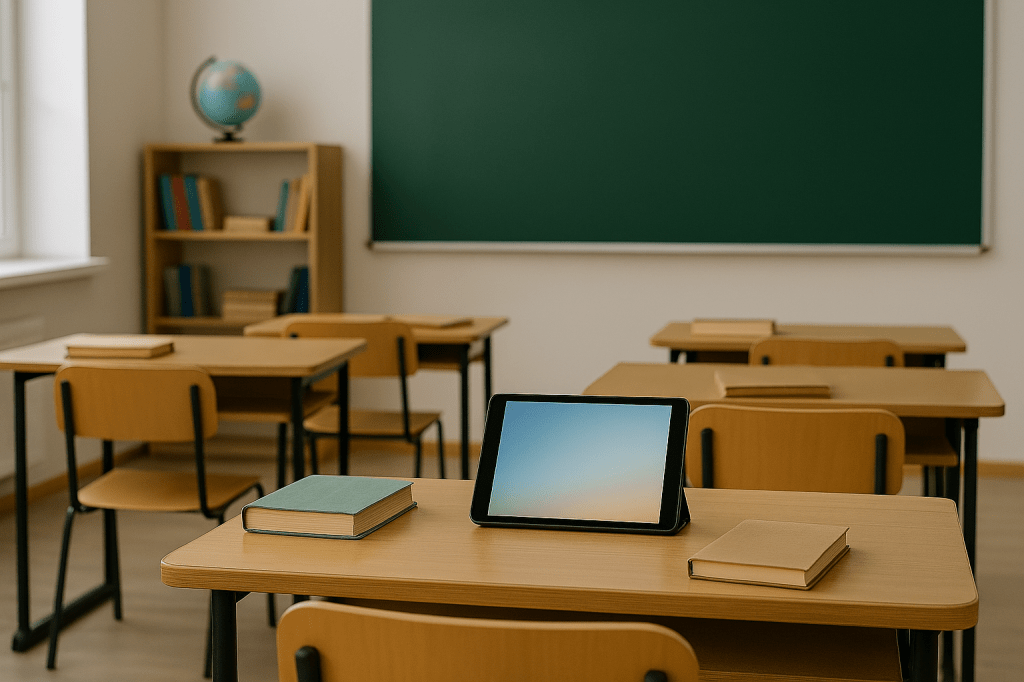
Hace unos 5 o 6 años, el sistema escolar era muy distinto al que conocemos hoy. La disciplina, la lectura y la enseñanza tradicional eran pilares que sostenían la formación de los estudiantes. Sin embargo, a lo largo del tiempo —y especialmente desde la pandemia— hemos sido testigos de un deterioro preocupante en la calidad educativa.
Uno de los cambios más controversiales ha sido la conducta de los estudiantes. El uso de dispositivos digitales, que en muchos casos han sustituido la educación tradicional, ha transformado la manera en que los jóvenes se relacionan con el aprendizaje. La tecnología, lejos de ser un enemigo, puede ser una gran aliada, pero su integración requiere orden y responsabilidad.
Considero que la tecnología debería enseñarse como una materia desde kindergarten hasta octavo grado, con la misma importancia que matemáticas o ciencias. A partir del bachillerato, los estudiantes podrían comenzar a usarla en ensayos y proyectos, involucrándose de manera gradual. Así, al llegar a la universidad, estarían preparados para manejarla con madurez y responsabilidad.
Es cierto que existen otros factores que influyen en la conducta de los niños y jóvenes, pero el foco de esta reflexión está en la escuela. Hoy, los niveles de lectura y el rendimiento académico en general son alarmantemente bajos. La conducta del estudiante refleja esta crisis y nos obliga a preguntarnos: ¿qué tipo de ciudadanos estamos formando?
A veces me pregunto hacia dónde va la educación en este mundo tan acelerado. Aunque valoro las herramientas modernas, en mi corazón sigue viva la enseñanza tradicional, esa donde se aprende leyendo de un libro y escribiendo con un lápiz. No creo que ese estilo vaya a desaparecer; más bien, creo que convivirá con lo digital, porque hay algo en el papel, en la letra escrita a mano, que conecta la mente y el alma de una manera que ninguna pantalla puede reemplazar.
La educación es más que un conjunto de materias; es la base de la sociedad. Si no atendemos esta crisis con seriedad, corremos el riesgo de perder generaciones enteras en un mar de distracciones digitales. La tecnología debe ser un puente hacia el conocimiento, no un obstáculo que lo debilite. Prefiero la educacion tradicional, como base donde se te ensena a leer de un libro y se escribe con un lapiz.
Opinion: Education Between Yesterday and Today
Five or six years ago, the school system was very different from what we see today. Discipline, reading, and traditional teaching were the pillars that sustained students’ learning. However, over time —and especially since the pandemic— we have witnessed a troubling decline in educational quality.
One of the most controversial changes has been student behavior. The use of digital devices, which in many cases have replaced traditional education, has transformed the way young people engage with learning. Technology, far from being an enemy, can be a powerful ally, but its integration requires structure and responsibility.
I believe technology should be taught as a subject from kindergarten through eighth grade, with the same importance as math or science. Starting in high school, students could begin using it for essays and projects, gradually becoming more involved. By the time they reach university, they would be prepared to handle it with maturity and responsibility.
It is true that other factors influence children’s and teenagers’ behavior, but the focus of this reflection is on the school. Today, reading levels —and overall academic performance— are alarmingly low. Student behavior reflects this crisis and forces us to ask: what kind of citizens are we shaping?
Education is more than a set of subjects; it is the foundation of society. If we do not address this crisis seriously, we risk losing entire generations in a sea of digital distractions. Technology must be a bridge to knowledge, not an obstacle that weakens it. I prefer traditional education, where you learn by reading from a book and writing with a pencil.
 El nombre que nacio de la magia
Deja un comentario